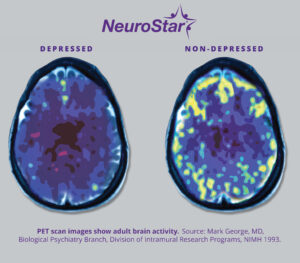
Transcranial Magnetic Stimulation (TMS) is transforming the way we approach mental health treatment, especially for individuals with depression who have not responded well to traditional therapies. While it is not a cure-all, the treatment has captured the attention of patients and clinicians alike because of its ability to deliver meaningful, lasting relief without the side effects often associated with medication. Naturally, the TMS Therapy Success Rate and the longevity of results are key questions for anyone considering this option.
This guide takes a closer look at the numbers behind TMS, the factors that influence its effectiveness, and what patients can realistically expect in both the short and long term.
How Successful Is TMS Therapy?
Research over the past decade has consistently shown that TMS produces significant benefits for people with treatment-resistant depression. Clinical reviews indicate that 50–60% of patients experience a noticeable improvement in their symptoms after completing a full course of treatment.
This is a significant finding considering that these individuals often have a history of trying multiple medications, psychotherapy, and even electroconvulsive therapy without sufficient relief. For many, TMS offers a turning point where other treatments have failed.
Meta-analyses also show that patients undergoing TMS are three times more likely to respond compared to those receiving sham (placebo) treatments. Remission rates are approximately 30% with TMS compared to just 6% with placebo (The Journal of Clinical Psychiatry). This difference represents a substantial clinical improvement for a population that often struggles with severe, persistent symptoms.
Long-Term Outcomes of TMS Therapy
While short-term results are promising, the question of whether the benefits last is equally important. Longitudinal studies show that about 62.5% of patients maintain their positive response a year after treatment (PubMed).
Several factors contribute to these sustained benefits:
- Scheduled maintenance sessions that reinforce neural changes
- Ongoing therapy or counseling to address the underlying causes of depression
- Lifestyle modifications such as regular exercise and balanced nutrition
- Monitoring and follow-up with a mental health provider
Some patients may experience a gradual return of symptoms, but retreatment with TMS is often effective in restoring symptom relief. This flexibility makes TMS a reliable long-term option for managing depression.
Factors That Influence TMS Therapy Success Rates
While overall results are encouraging, it is important to understand that the TMS Therapy Success Rate can vary between individuals. Factors that may affect outcomes include:
- Severity and duration of symptoms: Patients with milder, less chronic depression often respond more quickly.
- Treatment consistency: Most protocols require daily weekday sessions for 4–6 weeks. Missing sessions can slow progress.
- Personal brain activity patterns: Coil positioning and stimulation intensity may influence results.
- Adjunct treatments: Combining TMS with therapy, lifestyle changes, or medication adjustments can improve results.
Comparing TMS to Other Treatments
When compared to antidepressants, TMS stands out for its minimal side-effect profile. Common side effects like mild scalp discomfort or temporary headaches typically resolve early in the treatment process. There are no systemic side effects such as weight gain, gastrointestinal problems, or hormonal imbalances that are sometimes seen with medications.
While medication remains a valuable treatment tool, TMS provides a noninvasive and drug-free alternative backed by peer-reviewed studies. This makes it an appealing choice for patients who are sensitive to medication or prefer non-pharmaceutical interventions.
What to Expect During and After Treatment
A typical TMS session lasts between 20 and 40 minutes. Patients remain awake, seated, and fully alert during treatment, with no need for anesthesia or sedation. After the session, you can immediately return to work, drive, or engage in daily activities.
Many patients begin noticing improvements within two to four weeks of starting treatment, though some may experience gradual changes over the full course. Improvement may include better mood, increased motivation, improved concentration, and greater emotional stability.
Why Maintenance Care Matters
The initial success of TMS is often enhanced by a structured maintenance plan. This may involve:
- Monthly or bi-monthly booster sessions to prevent symptom relapse
- Regular therapy to process emotional triggers and develop coping strategies
- Mind-body wellness practices such as yoga, meditation, and balanced nutrition
Patients who maintain these supportive habits tend to report better long-term stability and overall well-being.
The Bottom Line
The TMS Therapy Success Rate is both encouraging and well-supported by scientific research. For individuals who have struggled with depression despite trying other treatments, TMS offers a safe, noninvasive, and effective path toward relief. Long-term results are achievable, especially when patients commit to ongoing care and healthy lifestyle choices.
By understanding the factors that influence success rates and adopting a proactive approach to aftercare, patients can maximize the benefits of TMS and enjoy a sustained improvement in their mental health.