Most people who end up exploring TMS therapy for depression share a similar story: they’ve tried medications, sometimes several, and the results just haven’t been enough. Either the side effects were unbearable, or the benefits never fully came. Living with depression under those circumstances can feel like hitting a wall over and over again. Transcranial Magnetic Stimulation (TMS) exists to give people another path forward when traditional antidepressants fall short.
The Limits of Antidepressants
One of the biggest frustrations with medication is that it’s largely trial and error. You try one, wait weeks, maybe adjust the dosage, maybe add another. Even when something helps, the trade-offs—weight gain, sexual side effects, fatigue, fogginess—can take a heavy toll. Because TMS is a non-invasive depression treatment, it doesn’t alter brain chemistry through the bloodstream. Instead, it uses magnetic pulses delivered directly to targeted areas of the brain involved in mood regulation. The treatment is focused, localized, and doesn’t carry the systemic side effects that come with pills.
Does TMS Work When Medications Don’t?
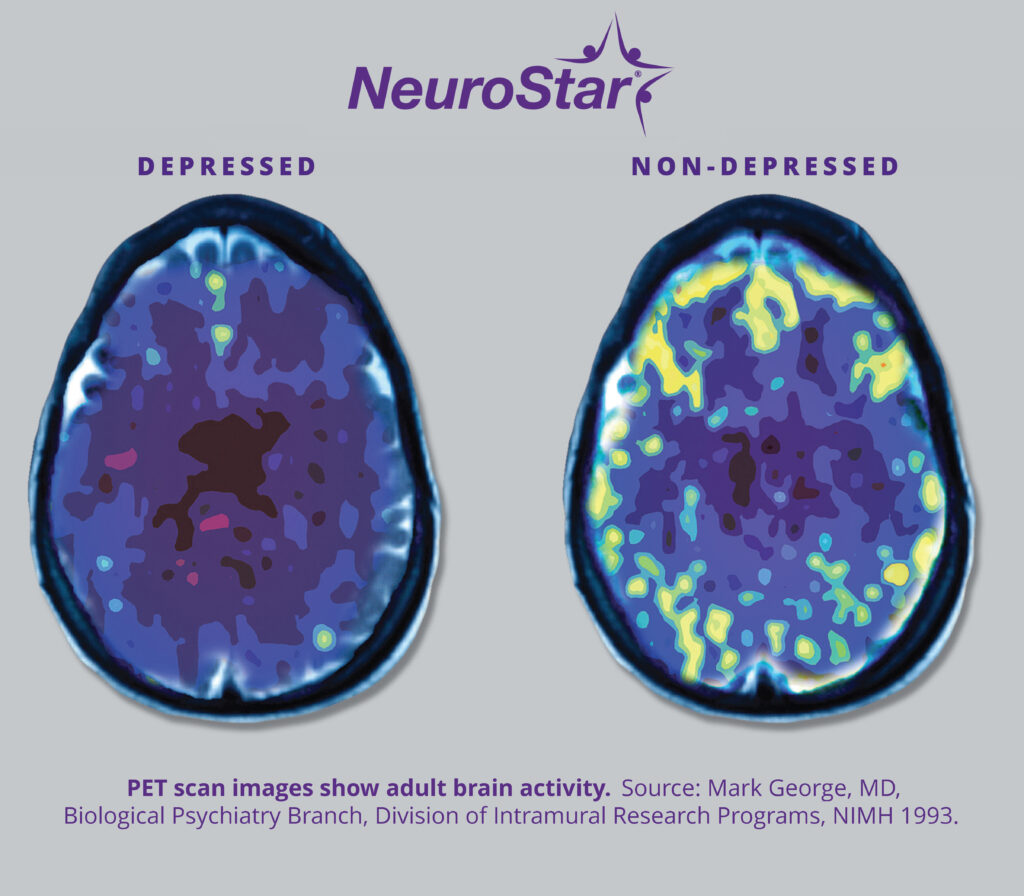
For many people who feel “medication resistant,” this is a major relief. Studies show that TMS treatment works even for people who’ve already tried multiple antidepressants without success. In fact, one of the most consistent findings is that people often begin to notice changes in mood, energy, and focus within the first few weeks of treatment. The improvements can feel more natural—like the fog lifting rather than a forced shift in emotions.
Minimal TMS Side Effects and Daily Life
Another benefit is that TMS side effects are minimal compared to medication. Sessions are outpatient, you’re awake the whole time, and there’s no recovery period. Most people drive themselves to and from appointments and go about their day as usual. Over time, as the brain pathways strengthen and become more responsive, many patients find that the improvements last.
An Alternative to Antidepressants

For those who have been through the exhausting cycle of prescriptions that never quite deliver, TMS offers an alternative to antidepressants rooted in a different approach. It’s not about replacing medication for everyone, but about providing a real option when it isn’t working. The most common feedback from patients is that they finally feel like themselves again—not dulled, not dragged down by side effects, but actually able to engage with life in a way that had started to feel out of reach.
Finding TMS Treatment Near You
If you’ve ever searched “Alternative depression treatment options near me” hoping to find something beyond medication, you’re not alone. For many, this therapy has become the turning point that medication never provided.