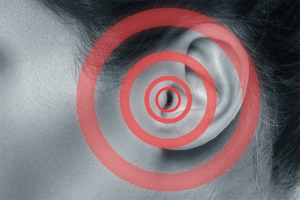
Have you ever noticed a persistent ringing, buzzing, or humming sound in your ears, even when the room is completely quiet? If so, you’ve likely experienced tinnitus. While occasional ringing after a loud concert is common, ongoing tinnitus can feel unsettling and disruptive. Many people wonder: how does tinnitus start, and more importantly, how can you avoid it?
Let’s break down the causes of tinnitus, what might put you at risk, and practical steps you can take to protect your hearing.
What Exactly Is Tinnitus?
Tinnitus isn’t a condition on its own; it’s a symptom of something else happening in your auditory system. People often describe it as ringing, buzzing, hissing, or even clicking in the ears. It can be constant or come and go, soft or loud, and can affect one or both ears.
While tinnitus is rarely a sign of something life-threatening, it can seriously affect quality of life, making it difficult to concentrate, sleep, or enjoy daily activities.
How Does Tinnitus Start?
The development of tinnitus can stem from several factors, often connected to damage or stress within the ear or nervous system. Here are some of the most common causes:
Exposure to Loud Noise
Frequent exposure to loud sounds, such as concerts, construction sites, or even prolonged headphone use, can damage the tiny hair cells in the inner ear. Once damaged, these cells no longer send accurate sound signals to the brain, leading to tinnitus.
Age-Related Hearing Loss
As we get older, it’s natural to experience gradual hearing loss. For many, tinnitus is a side effect of this decline, as the brain adjusts to reduced auditory input.
Earwax Blockage
It might surprise you, but something as simple as excess earwax can trigger tinnitus. Blocked ear canals interfere with how sound waves travel, causing ringing or buzzing sensations.
Medications and Health Conditions
Certain medications, known as ototoxic drugs, can affect hearing and trigger tinnitus. Conditions like high blood pressure, diabetes, and jaw disorders (TMJ) can also play a role.
Stress and Anxiety
Tinnitus isn’t always physical. Mental health plays a big part, too. High stress and anxiety levels can intensify the perception of tinnitus, making it feel more severe than it is.
How to Avoid Tinnitus
While not every case of tinnitus can be prevented, there are practical steps you can take to protect your hearing and lower your risk.
Protect Your Ears from Loud Noise
Noise-induced hearing damage is one of the leading causes of tinnitus. Always wear earplugs in noisy environments like concerts, clubs, or construction sites. If you love listening to music with headphones, follow the 60/60 rule: keep the volume below 60% and limit listening to 60 minutes at a time.
Keep an Eye on Ear Health
Regular checkups with your doctor or audiologist can help detect early signs of hearing issues. Avoid inserting cotton swabs or objects into your ear canal, as this can push earwax deeper and cause blockages.
Manage Stress Levels
Since stress can make tinnitus worse, finding healthy coping mechanisms is essential. Activities like yoga, meditation, deep breathing, and even journaling can lower stress and reduce the perception of tinnitus symptoms.
Watch Your Medications
If you notice tinnitus after starting a new medication, talk to your healthcare provider. They may adjust the dosage or suggest an alternative that’s easier on your ears. Never stop medication on your own, but always consult your doctor.
Maintain Healthy Lifestyle Habits
Your overall health has a direct impact on your hearing. Staying active, eating a balanced diet, keeping your blood pressure in check, and avoiding smoking can all help protect your auditory system and reduce the risk of tinnitus.
Take Breaks in Quiet Spaces
If your environment is noisy, step away to give your ears some rest. Even short periods of quiet can help minimize ear stress.
Get Help Early if Symptoms Appear
If you start noticing persistent ringing, don’t ignore it. Early evaluation by a hearing specialist can make a big difference in managing symptoms and preventing further damage.
Living Beyond the Ringing
Tinnitus can feel frustrating, but understanding how it starts and what you can do to prevent it gives you control. Most importantly, don’t wait until symptoms become overwhelming. Proactive ear care and stress management go a long way in keeping your hearing healthy and your mind at ease.
If you’re already experiencing frequent ringing or buzzing in your ears, don’t brush it off as something you “just have to live with.” A consultation with a qualified hearing specialist or wellness clinic can help uncover the cause and give you personalized solutions for relief.
Take Charge of Your Hearing Health Today
You deserve to live without the constant distraction of ringing in your ears. Whether you’re looking for prevention tips or already noticing symptoms, a hearing and wellness clinic with experienced specialists can help you protect your hearing and find real relief. Don’t wait, schedule an appointment today and take the first step toward clearer, quieter days.