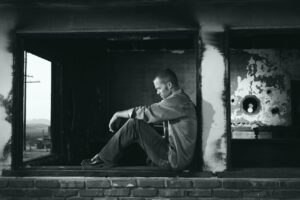
The longer nights and shorter days, the prolonged time spent indoors due to the harsh weather, the lack of human interaction, especially for those that work from home may exacerbate feelings of loneliness and isolation.
However, there are specific warning signs to be on the lookout for to know whether it’s just the winter blues, or something more serious.
What is SAD? (Seasonal Affective Disorder)

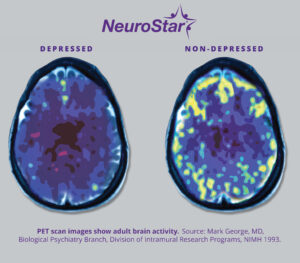
Seasonal affective disorder (SAD) is a type of depression that may affect anyone over the course of their lives, but usually starts in adulthood and the risks to develop it increase with age. SAD is classified as a Major Depressive Disorder with Seasonal Pattern in the Diagnostic and Statistical Manual of Mental Disorders (DSM-5).
Women are statistically more affected by it than men. As the name suggests, it tends to manifest periodically, in late fall and during winter, with improvements generally appearing in early spring. It’s a biologically and psychologically complex condition that affects millions of people every year.
What causes SAD?
There are several environmental and biological factors at play when discussing seasonal depressive disorder, including:
Limited Exposure to Natural Light
During the winter months, the reduced sunlight disrupts the body’s natural circadian rhythm or internal clock. What’s more, the increased pressure to perform at work with the same level of productivity in the winter months can lead to burnout and stress as well. With less exposure to sunlight, our sleep patterns and mood both suffer.
Melatonin and serotonin imbalance
Many people experience prevalent sleep issues during the winter months. We need natural sunlight for vitamin D and melatonin production. Natural sunlight also regulates serotonin, one of our ‘feel good’ hormones, a neurotransmitter linked to feelings of happiness and well-being.
Existing trauma around the holiday season
Winter time may amplify feelings of depression and isolation, particularly for those who have existing trauma around the holiday season. For the vast majority of people, the holidays represent opportunities for social gatherings, connection and celebration.
However, those that come from broken family backgrounds, those that have experienced financial issues tied to holidays, abuse or estrangement from loved ones may find it much more difficult to cope. Not to mention, the holidays may also bring familial pressure even in healthy dynamics. It’s not uncommon to be asked questions about career, relationships and personal achievements over a family dinner and for individuals to feel inadequate, behind or pressured if they don’t have the right answers.
Furthermore, already vulnerable people may be at even bigger risk of developing seasonal depression, for example those who live alone, the elderly, those dealing with grief, such as the loss of a parent or child etc.
How to recognize SAD? Common seasonal depression symptoms
The symptoms of SAD closely mirrors those of depression, with the mention that they have a cyclical character:
- Persistent feelings of sadness, lack of motivation and general sense of hopelessness
- Low energy levels
- Loss of interest in daily activities or hobbies
- Changes in appetite (craving unhealthy foods, overeating or undereating)
- Weight gain
- Problems with focus/concentration
- Changes in sleep patterns (sleeping too much, difficulties waking up etc.)
- Impaired work performance
- Social withdrawal (refusing invitations to hangouts and events, propensity towards isolation)
Seasonal depressive disorder – what are the treatment options?
There are several treatments that have proven their efficacy to manage and improve the symptoms of seasonal depression. With that said, always seek out a qualified professional to get diagnosed, because the symptoms of SAD can also overlap with other mental health conditions.
Light Therapy or Phototherapy
Light therapy’s primary goal is to mimic natural sunlight, and thus reset the circadian rhythm. A special lamp is used for this purpose – 10,000 lux for 15 to 30 minutes every morning. However, if you don’t have access to this resource, it’s recommended to try spending as much time outside as you can during the winter months, particularly in the morning.
Psychotherapy
Cognitive behavioral therapy or CBT can also be tailored to treat seasonal affective disorder. Patients are taught how to reframe their negative thoughts around the winter season and build behavioral changes and strategies.
Antidepressants
For moderate to severe cases, antidepressants may be prescribed, either on their own or in conjunction with light therapy. For SAD, selective serotonin reuptake inhibitors (SSRIs) are typically prescribed, for example Prozac, Lexapro or Zoloft.
What’s the prognosis for people suffering with seasonal depression?
The outlook is usually very positive, due to the seasonal nature of the condition. With the right diagnosis, treatment plan and lifestyle changes, you can find relief from most symptoms outlined above.
Although there’s no way to prevent the recurrence of the condition, especially during winter months, it’s also recommended to adjust your habits in advance. For example, if you know you have a history of re-emerging SAD, start using light therapy in the beginning of fall, before any symptoms appear, spend as much time outdoors as possible, eat a nutritious diet and engage in social activities. If you’re struggling, always seek help from a professional to find the adequate treatment plan for you.